Some Of Hard Water Testing
Table of ContentsGet This Report on Hard Water TestingMore About Hard Water TestingHard Water Testing for BeginnersHard Water Testing Things To Know Before You BuyUnknown Facts About Hard Water TestingAll About Hard Water Testing
As soon as the water from your shower dries out, mineral deposits are left behind, causing your once-shiny, clear shower doors and components to be covered in water discolorations. In addition, due to the fact that water will certainly take longer to warm up, it will certainly use extra power and thus increase your energy expenses.Some Known Facts About Hard Water Testing.
Have you ever wondered just how to test water hardness in your home? The solution could be closer than you believe. Difficult water is the outcome of raised mineral levels in the groundwater supply. While hard water may be safe and clean water and not necessarily hazardous to your wellness, it does result in a number of undesirable impacts with which you are probably acquainted.
While there are in-depth examinations that can provide you an exact and precise measure of just how difficult your water is, identifying whether you have tough water is a much easier exercise. In this post, we're mosting likely to detail some very easy to understand suggestions that can assist you determine whether you have difficult water.
Several of these are just unpleasant, while others can influence every little thing from the effectiveness of your home appliances to the wetness of your hair and skin - Hard Water Testing. In the end, you may be surprised at the several manner ins which hard water has had an influence on your every day life and might want a entire home water softener
Hard Water Testing - Questions
Difficult water is water that has a high quantity of minerals in it. Most of these minerals are typically calcium carbonate and magnesium, however various other minerals such as manganese and iron can also be discovered in hard water examples. The greater the mineral count in your water, the tougher your water is considered.
A higher concentration than this is considered to be hard water, with varying degrees of firmness appointed to different limits of calcium carbonate. The development of difficult water occurs naturally via a communication in between water and the soil it goes through. Starting as rainfall, water is mainly soft, though there may be tiny quantities of minerals consisted of in rainfall.
The movement of water with the soil and into the rivers and aquifers that provide our water supply is lengthy and strenuous. As water passes with dirt along the road, it dissolves the bonds of the mineral ions in the dirt. These minerals are then lugged along more with the water into the water that reaches your faucet.
Hard Water Testing Fundamentals Explained
This generally indicates chalk or sedimentary rock. Difficult water can also have high degrees of iron if it relocates with iron-rich dirt. Rephrase, the presence or lack of minerals in the soil around a groundwater resource has a direct effect on how tough the water is. This means that the firmness of water can differ substantially based on where you live.
This is likewise why you may observe that the water feels different when you check out an additional state or country. If you are wondering exactly how to determine water solidity, there are a variety of different examinations you can do to learn whether your water is hard. A lot of municipal water providers also release details concerning what kinds of minerals and various other materials the pipes into your residence contains.
An example of a local metropolitan water quality record can be located right here (Hard Water Testing). Except searching a water quality report or checking the water directly at your faucet making use of a water test kit, there are some easy empirical approaches that you can use to determine if your water is hard
10 Easy Facts About Hard Water Testing Shown
If you have observed scaly buildup on your components after that you probably have hard water. You may have observed that the nozzles on your shower head come to be obstructed with time. This occlusion results from mineral deposits left behind by difficult water. The very same holds true of the nozzles in your dishwasher, which slowly become shut off by natural resource over time.
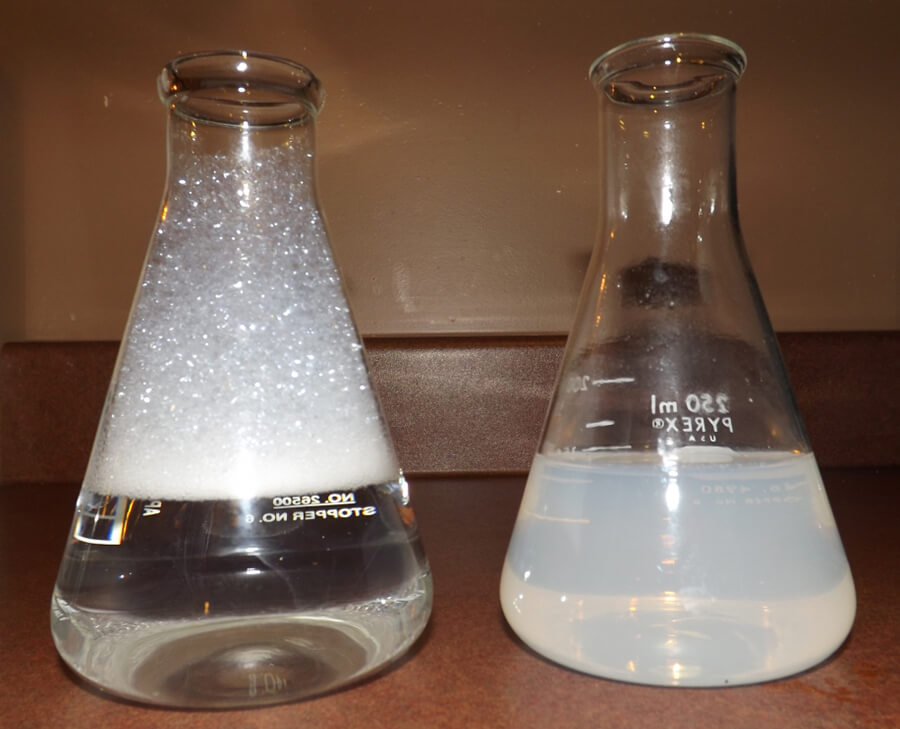
White or grey discolorations often tend to be from calcium carbonate, while locations with a high quantity of iron in the water will produce red spots on fixtures and taps. If you are regularly fighting soap scum, you have hard water. Soap scum is a white, cloudy layer often found in showers, in sinks, or on restroom fixtures.

A Biased View of Hard Water Testing
Among these is the effect of tough water on hair. You can check for water firmness by observing your hair hair cleaned with tough water will certainly begin to develop a layer of minerals on the hair roots. This mineral layer has a couple of impacts that you may not have also recognized were taking place.
Commonly, hair cleaned in tough water will, in time, come to be duller and do not have the vibrancy of hair washed in soft water. Your hair might likewise be drier when cleaned with hard water vs. soft water. The minerals transferred by hard water makes it a lot more tough for creams to permeate your hair roots, causing drier hair over time.
If you wash your hands with difficult water and soap, you will most likely observe that your hands can feel a little bit dry and rough besides the soap has been noticeably removed, requiring cream or oil. That completely dry sensation is from a thin layer of soap sticking to the hard mineral left behind and adhering to your hand and is an usual indication that your water is hard.